

We use cookies to make our site work well
for you and so we can continually improve it.
The cookies that are necessary to
keep the site functioning are always on
Terms and conditions and
Privacy Policy

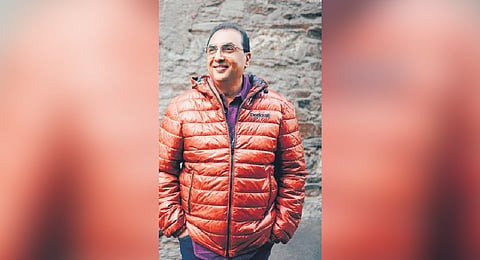
Mumbai Academy of Moving Image’s (MAMI) Mumbai Film Festival faces a major shift this year. It will no longer have a title sponsor like its previous editions, which was backed by Jio. Due to limited resources, the festival will take place in a short span of six days this year, from October 19 to 24. However, festival director and filmmaker Shivendra Singh Dungarpur feels that nothing has changed.
The festival will continue to screen curated films from South Asia and around the world, along with some restored classics. “It was tough for the team to pull off the festival this year but we didn’t want to deny people the celebration of cinema through MAMI. We wanted that tradition to continue,” says Shivendra.
He has a connection with MAMI that goes back a long time. His films, Celluloid Man (2012) and Czechmate: In Search of Jiri Menzel (2018), have been screened at the festival earlier. Even before that, Shivendra assisted Gulzar on some of his films. He says that he received two important pieces of advice from the veteran poet, lyricist, and filmmaker.
“He told me to enrol in the Film and Television Institute of India (FTII) and secondly, to get a pass for MAMI,” Shivendra recollects. He feels that the festival was a learning curve for him and many others like him.
“I still remember collecting the catalogue from the festival every year. All those catalogues are still with me. I never thought I would be the director of this festival one day,” he smiles. Shivendra reveals that they are finding ways to make the festival sustainable in the long run.
He feels that MAMI should become a space where like-minded cinema lovers can come together. “I grew up with that tradition where I would go to MAMI to see some of the greatest filmmakers from around the world. I would watch films which I would have no chance to access otherwise,” he says.
Through MAMI Mumbai Film Festival, Shivendra wants to create a worthy platform for independent cinema. “I have always felt that young filmmakers need to be nourished,” he says.
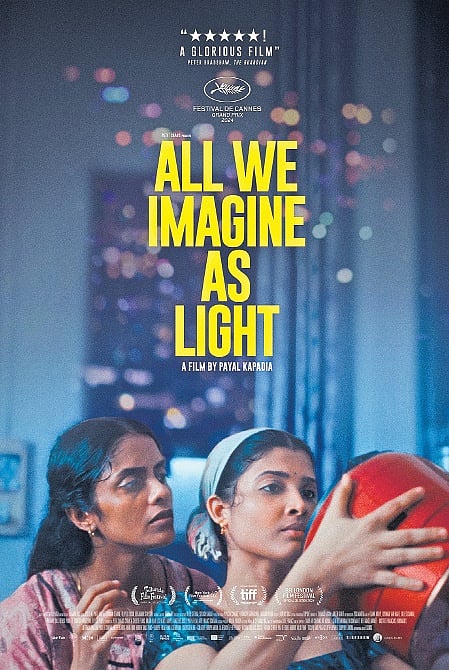
“We need to find cinema beyond the popular discourse and celebrate films that are not just made in Mumbai but across the country in different languages that truly represent Indian culture.” In line with this spirit, Shivendra wanted to open the festival with an Indian film and he feels that Payal Kapadia’s All We Imagine As Light will set the right tone. “I wanted something that captures the spirit of Mumbai and this was the perfect film,” he says.
“I think Payal’s film being an independently produced film is the correct example of what MAMI is going to follow in the years to come,” he concludes.

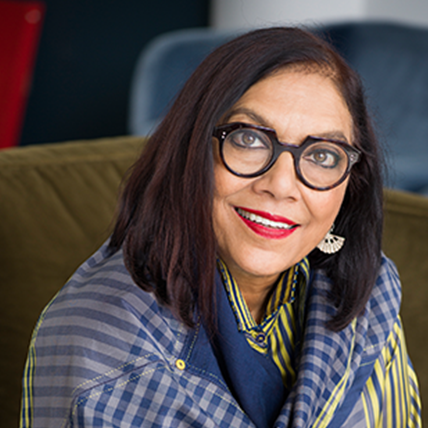
Academy-Award nominated film director Mira Nair is best known for her groundbreaking films that cross borders of all kinds: Salaam Bombay! (Caméra D’or, Cannes 1988), the pioneering Asian-African romance Mississippi Masala (1991),
Read More...Head of Jury
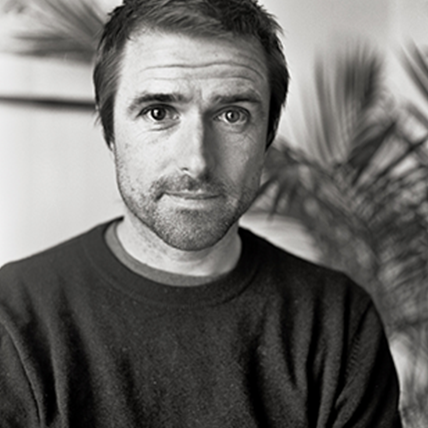
David Michôd’s debut feature, Animal Kingdom (2010), won the Sundance Film Festival Grand Jury Prize, earned Oscar and Golden Globe nominations for supporting actress (Jacki Weaver) and was named Best First Film of 2010 by the New York Film Critics Circle. Michôd’s second feature,
Read More...The Criterion Collection calls New York-based Isabel Sandoval ‘one of the most exciting and multitalented filmmakers on the indie scene with a bold approach to cinematic style.’ She has directed three features, including Señorita (2011), which premiered at Locarno,
Read More...Edouard Waintrop has been an Artistic Director of several renowned international film festivals which include the Quinzaine des Réalisateurs in Cannes, a post he held for seven years and Fribourg International Film Festival in Switzerland for four years.
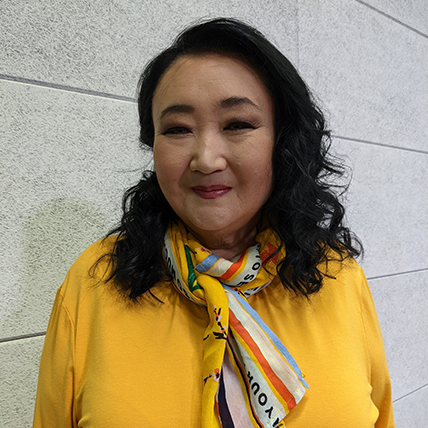
Read More...Kazakh film critic and researcher Dr Gulnara Abikeyeva was an artistic director of the Eurasia International Film Festival in Almaty from 2005 to 2013. She launched the film magazine Asia-kino, served as editor-in-chief of Territoriya Kino, and produced TV programmes about Kazakh cinema.
Read More...Head of Jury
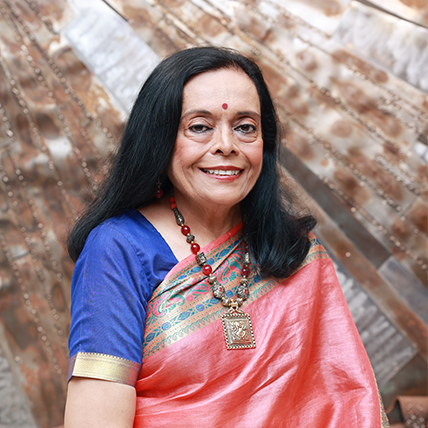
Latika Padgaonkar is a columnist, editor, translator, former Joint Director of Osian’s Cinefan Film Festival, and former Executive Editor of Cinemaya, the Asian film quarterly. She was a foreign correspondent for The Telegraph in Paris in the 1980s;
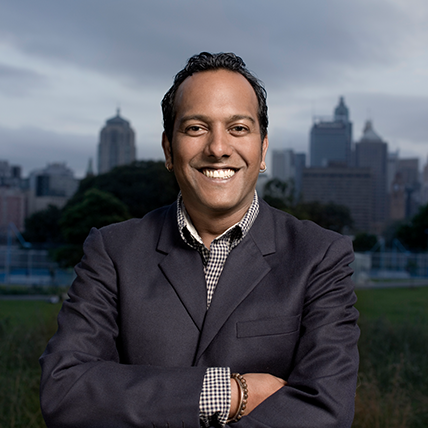
Read More...Nashen Moodley is in his twelfth year as Festival Director of Sydney Film Festival. During his tenure, the festival has grown vastly. Moodley’s career in film programming has encompassed many leadership roles,
Read More...Aditya Shrikrishna is a freelance film critic and journalist from Chennai. He has been a published writer since 2013, and his work has appeared in The Hindu, Frontline, The Signal, The New Indian Express, Vogue, Fifty Two, Mint Lounge, Film Companion,
Read More...Senior critic, columnist and author Bharathi S. Pradhan is the former editor of Star & Style, Showtime, Lehren, Film Street Journal, Movie and Savvy (Consulting Editor). She continues to be a Sunday columnist with The Telegraph
Read More...Stutee Ghosh is an award-winning radio jockey, having won the prestigious India Radio Forum Best RJ Award. She started off while she was still doing her post-graduation in English Literature at Delhi University
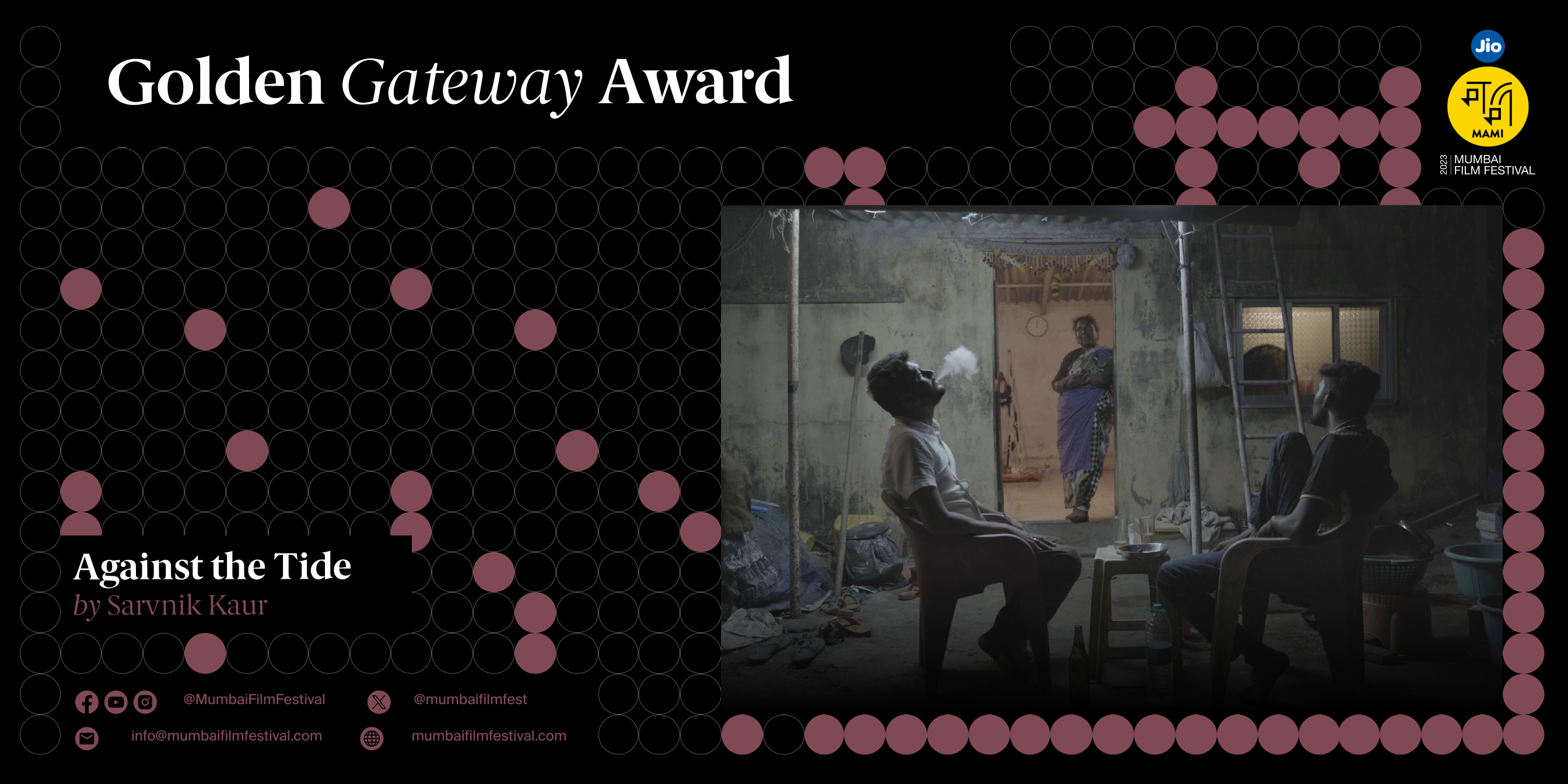
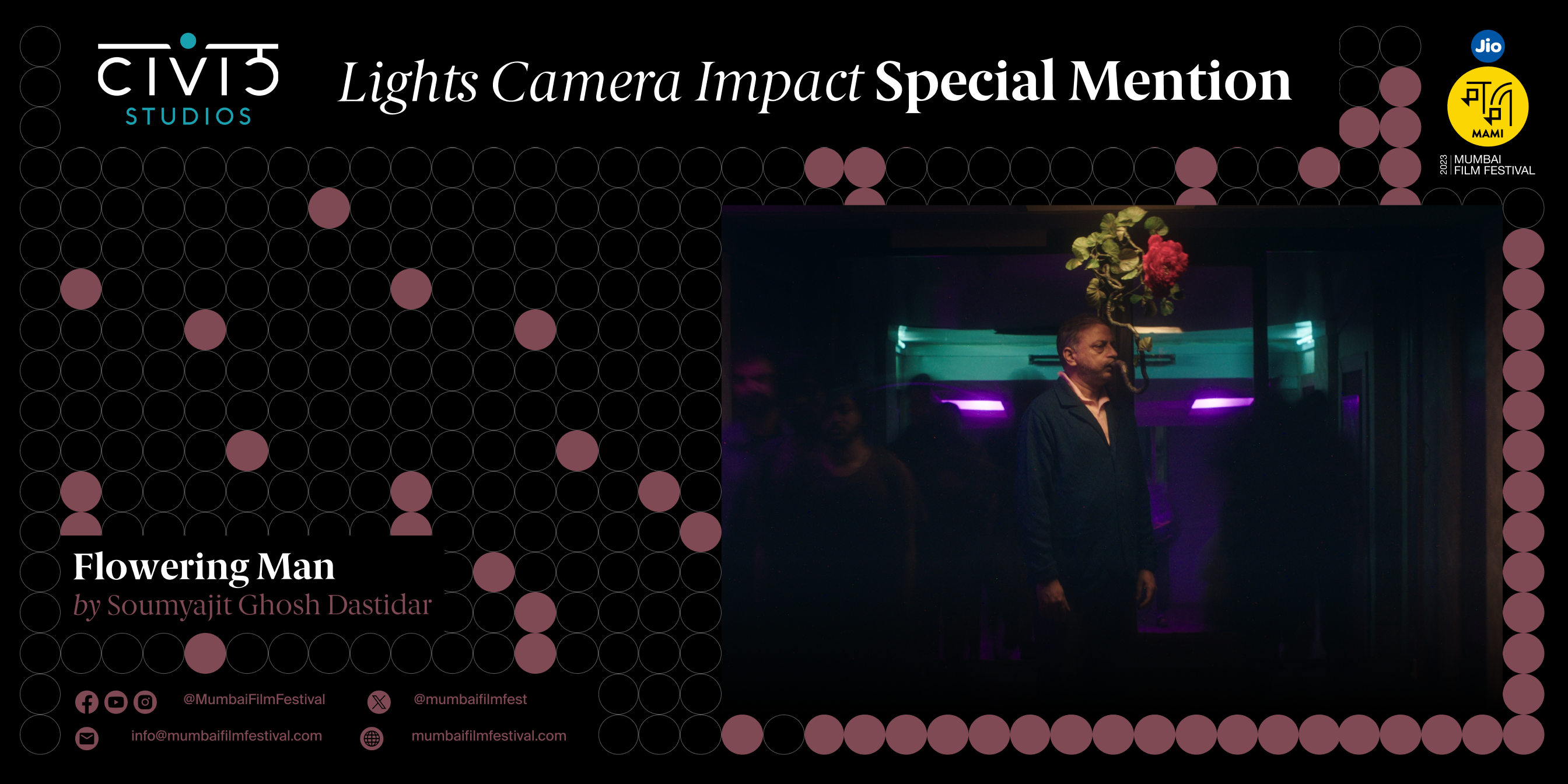
Read More...Epic and intimate, 'Against The Tide' is transportive cinema, on the ground and under the sea. It’s a remarkable achievement, the director is in complete control over every aspect of the medium, plunging us into the elements while never losing sight of its deeply human core. Extraordinary cinematography, great humanity, humour and a wonderful way of seeing.
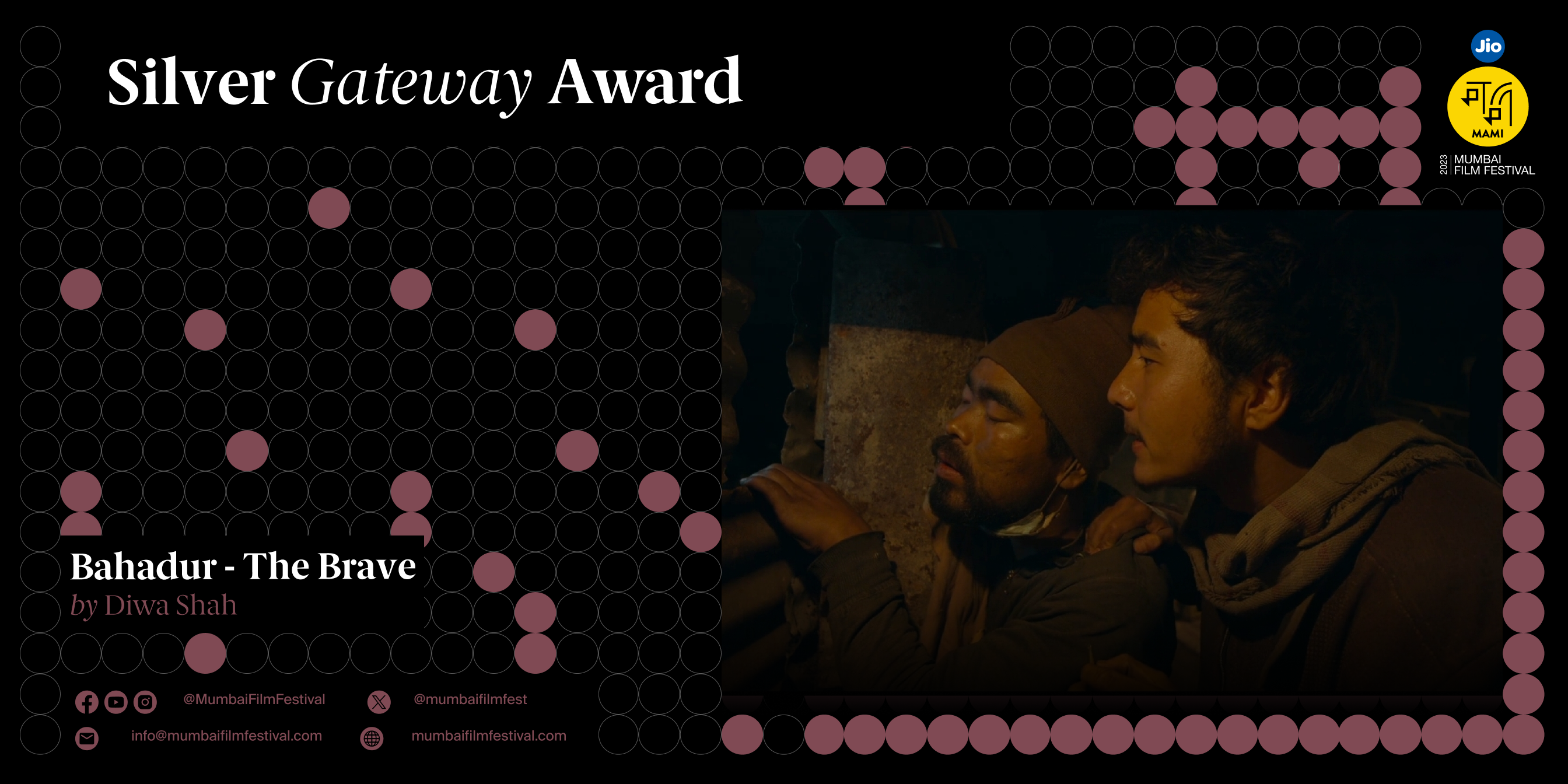
A deeply empathetic portrait of migrant lives, 'Bahadur' has a beautiful narrative rhythm and clarity of character, with great performances showing the strength of a director able to get a range of emotions from compelling non-actors.
A clear and audacious directorial signature, 'Agra' is unflinching and confident in its exploration of aspirational India.
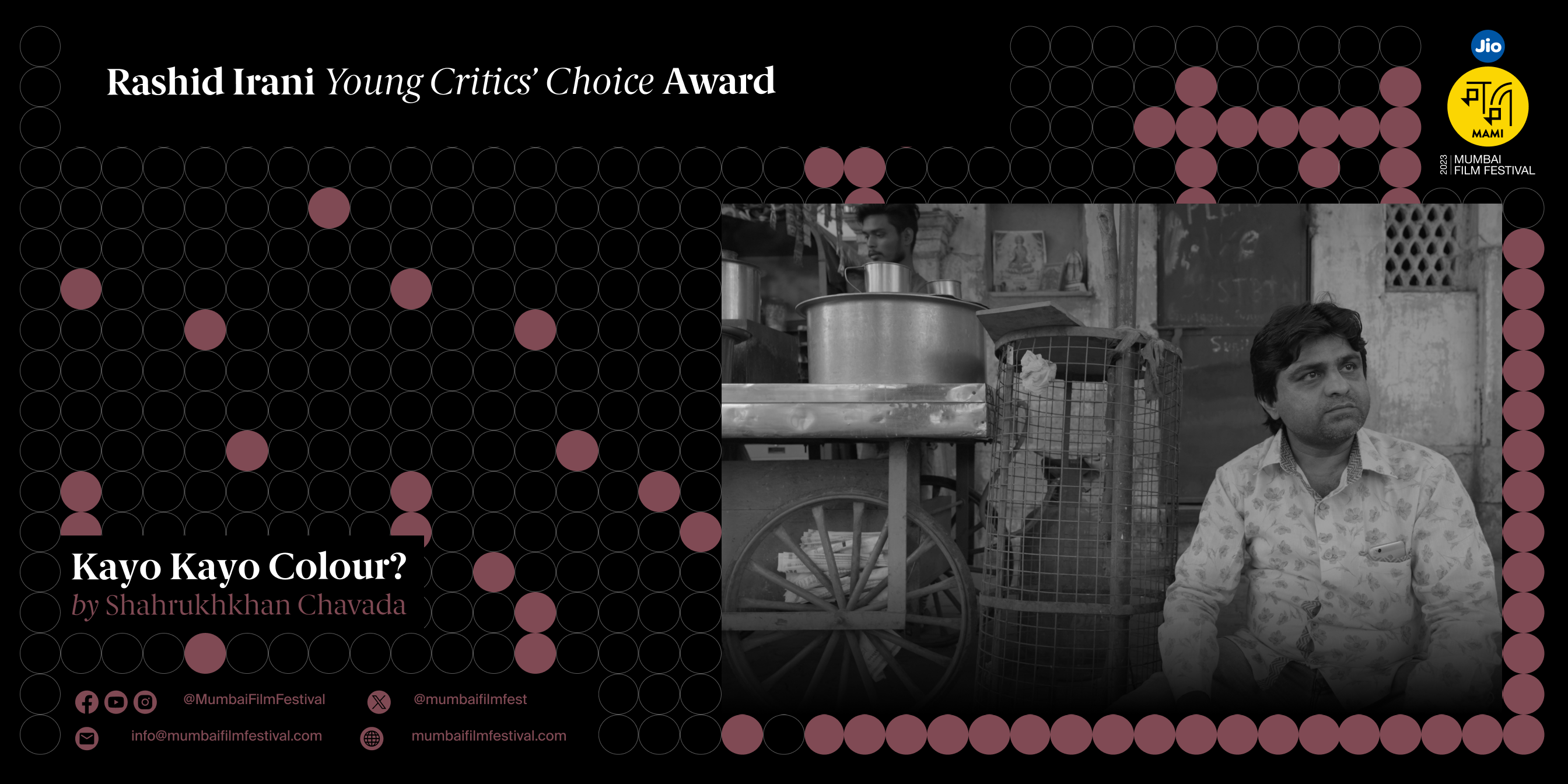
For uniquely extending this spirit through exemplary innovation of cinematic form, the Rashid Irani Young Critics Choice is awarded to 'Kayo Kayo Colour? (Which Colour?)’.
Like birdsong at daybreak, hope rises from even the darkest nook of this city. Telling us it will get better. That there is joy to be found in what to the naked eye looks like scrap. From the first shot itself, this film evokes a sense of flight, of ascension. Each well-crafted frame and the easy natural performances feed this narrative with beautiful aesthetics, never losing its grip on what the filmmaker is trying to say. Joyous, confident, beautiful, satisfying. This gem of a film is all this and more. In five minutes this young filmmaker has given us hope. With such an easy display of heft and skill. So, of course, The Dimensions Mumbai Gold Award goes to ‘Nightingales In The Cocoon’ by Praveen Giri.
Dimensions Mumbai Silver Award goes to ‘Halfway’ by Kumar Chheda, for its simplicity, the use of the metaphor of meeting halfway in relationships, the writing that brought out nuances of partnerships, the technical execution of the film, the natural performances with the backdrop of a quintessential part of Bombay - the sea and Juhu beach - reminding us that it's a city that allows everyone to exist, without any judgement or differentiation.
The Best Film goes to ‘Summer of Soul’ directed by Sanjib Gogoi for being a moody portrait of sensitivity through strife and for its poetry without frills. A story that reinstates the fact that a bird put in a cage still doesn’t forget flight.
The Best Actor goes to James Elia as Shankar Pillai in Vakuppu for gliding through his performance as an authority figure, a wounded father, and a man weathered by time - all at the same time and all the time.
After much deliberation, considering the varied and engaging subjects of the shortlisted books, the jury has decided to award the meticulously researched book on cinema - ‘The Mahatma on Celluloid, a Cinematic Biography’ by *Prakash Magdum*. This book has significant and enduring value, not only to the student of cinema but also to the historian, the Gandhian and anyone studying media and communication worldwide.
Having a vibrant, perceptive and talented set of mentees made this year's lab sessions fun and stimulating. All these young critics handled a range of writing and participatory exercises with intelligence and sensitivity. Of course, this also made the task of choosing the best critic a difficult one. Here are the three runners-up for this year: Varun Bhakay, Aadhya Kancharla and Vanij Choksi. However, there was one writer who showed a special ability to combine personal, accessible writing with formal analysis and to also weave in a contextual understanding of film history. The best young critic is Diya Mathur.
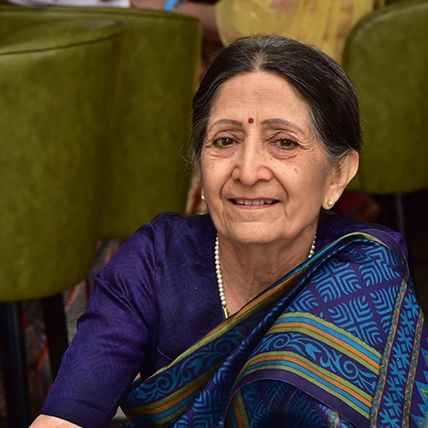
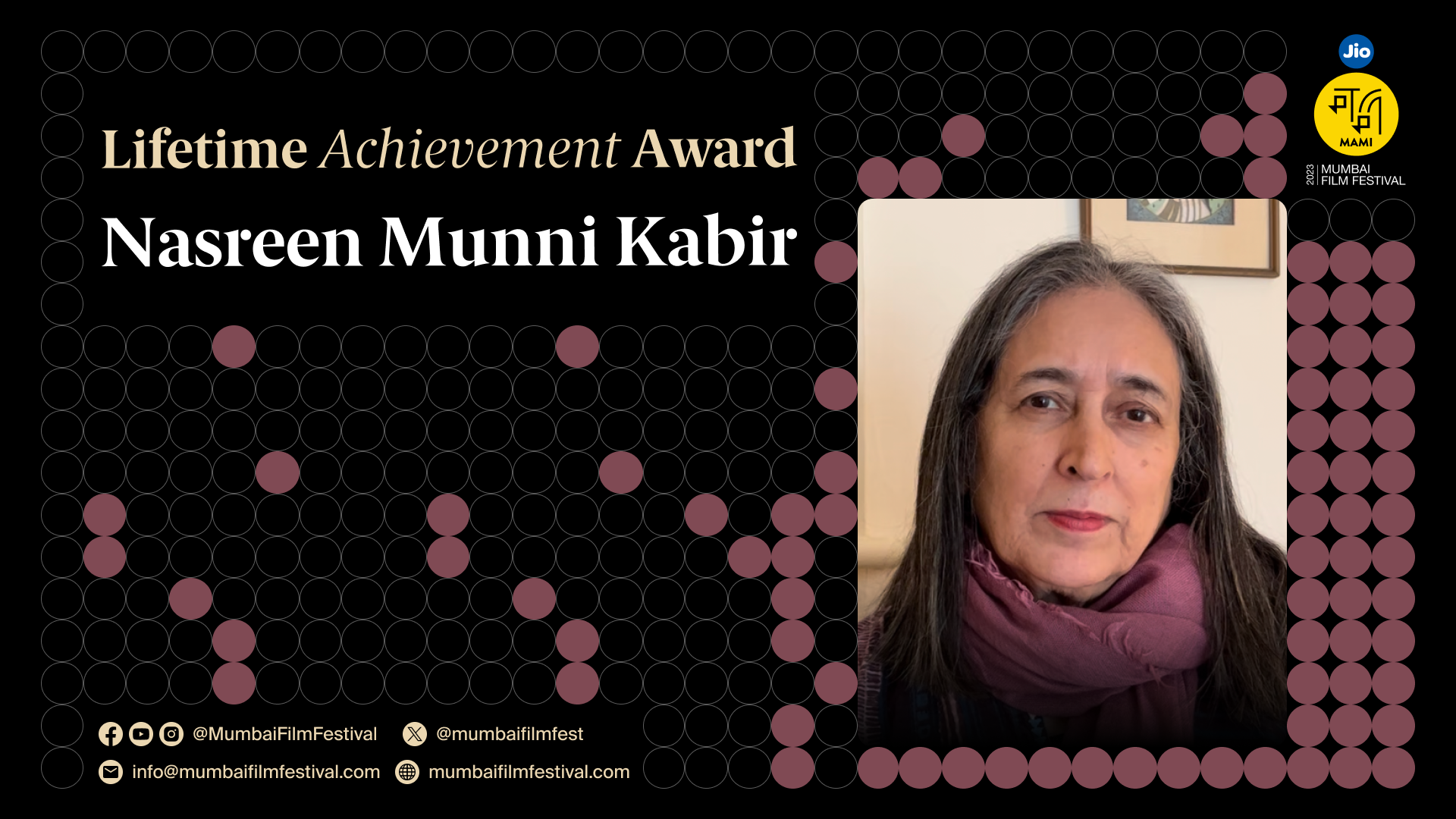
In recognition of her lifelong commitment as an ambassador of Asian and Indian cinema internationally, and establishment of institutions that enable Asian talent through her work as a film critic, festival director, community builder and creator of organisations like NETPAC.
In recognition of her contribution of outstanding artistic significance to the field of film and cinema, for archiving the legacies of stalwarts of Indian cinema, and making Indian films accessible globally through her impeccable English subtitling of over 800 Indian films and counting.
In recognition of her lifelong commitment to showcasing Indian independent and art-house cinema at film festivals worldwide and creating visibility for Indian filmmakers and talent internationally through her work as a festival programmer and casting director.
Submissions Closed for 2023
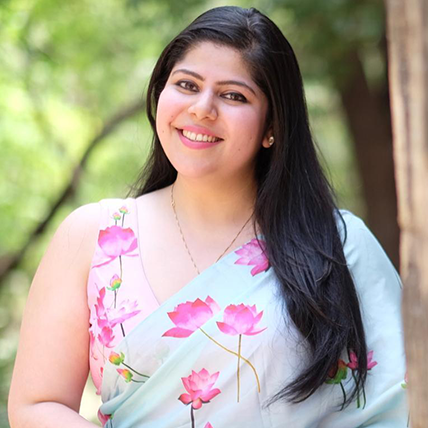
Bhumi Pednekar
Ambassador, Dimensions Mumbai
Dimensions Mumbai is a competitive short film section that invites young filmmakers between the ages of 18 and 25 from all over India to submit films on the theme of Mumbai city. The films must be no longer than 5 minutes in length. Shortlisted films from all the entries will be shown on the big screen to an enthusiastic Jio MAMI audience. Dimensions Mumbai was first introduced to Jio MAMI Mumbai Film Festival in 2009 by Ms. Jaya Bachchan, and since then it's been one of the most sought-after sections at the festival. Many filmmakers who've won at Dimensions Mumbai have gone on to direct feature films and web-series.

Please read the Rules and Regulations by clicking on the View & Download Button below.
Jio MAMI Mumbai Film Festival will be held from October 27 to November 5, 2023 in Mumbai.
This year, Jio MAMI announces its new vision to host the world’s biggest and most prestigious South Asian Film Festival and Year Round Programme, focused on building an ecosystem for new cinematic voices, facilitating exchange of ideas, collaborations and business opportunities while bringing the best of world cinema to Mumbai. Jio MAMI will have two sections for South Asian and South Asian Diaspora filmmakers -
In addition to the above, Jio MAMI will showcase feature length films in the World Cinema section from around the world.
Submissions for the South Asia and World Cinema sections of the festival are closed.
Please read the Rules and Regulations by clicking on the View & Download Button below.
Copyright © 2026 by Mumbai Academy of Moving Image. All Rights Reserved.